Check Engine Light On? What It Means and What to Do Next
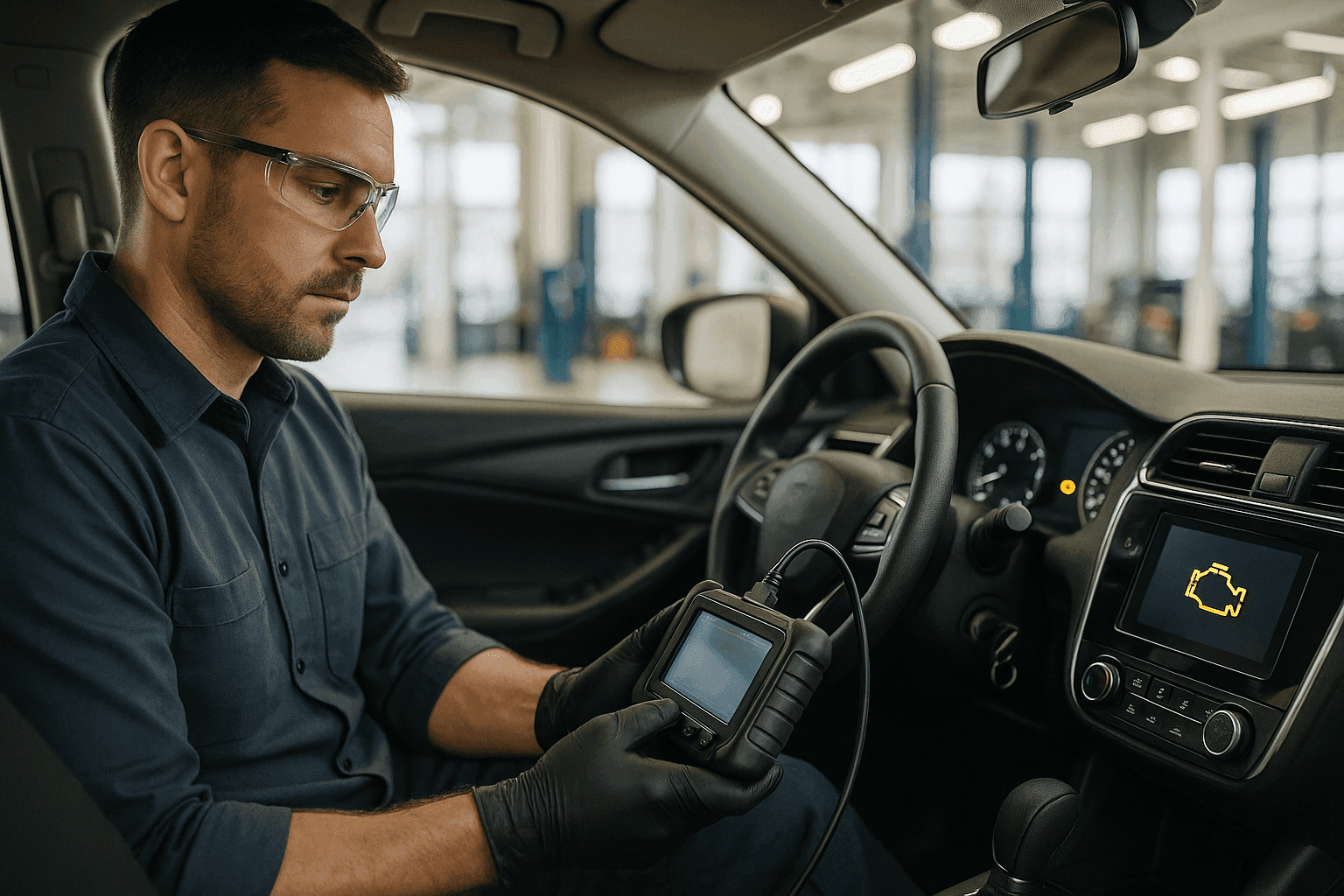
Is your check engine light glowing on the dash? It’s one of those moments that can make your heart skip a beat, whether you’re driving solo or responsible for a fleet of vehicles. At Chris Hunters Auto Repair, we know how unsettling that little light can be—and how important it is not to ignore it.
Let’s walk through what triggers the check engine light, what you should do right now, and why getting a certified auto_repair professional involved matters, especially when your day (or business) depends on reliable transportation.
What Triggers the Check Engine Light? 🚦
Think of your check engine light as the car’s way of raising its hand in class. It’s telling you, “Something’s not right.” But it doesn’t always mean there’s a disaster under the hood. Here are the most common culprits:
- Emissions System Issues: Modern vehicles constantly monitor the air-fuel mix and exhaust. A failing oxygen sensor, loose gas cap, or problems with the catalytic converter can all trigger the warning.
- Ignition System Faults: Worn spark plugs, faulty ignition coils, or even bad wiring can cause misfires, leading to that unwelcome glow.
- Fuel System Troubles: If sensors detect your engine isn’t getting the right amount of fuel (or too much), the system alerts you. This could be as simple as a clogged fuel injector or as involved as a failing fuel pump.
- Sensor and Computer Glitches: Your car relies on dozens of sensors. Malfunctioning mass airflow sensors, EGR valves, or even glitches in the vehicle’s main computer can set off the check engine light.
Sometimes the issue is minor—sometimes it’s urgent. Either way, the light is your car’s way of asking for attention.
Immediate Steps to Take
First things first: Don’t panic. The check engine light is a warning, not a doomsday alarm. Here’s how to respond:
- Check the Gas Cap: It may sound trivial, but a loose or cracked gas cap is one of the most common causes. Tighten it and see if the light goes off after a few trips.
- Note Any Symptoms: Is your car driving differently? Listen for rough idling, loss of power, strange noises, or odd smells. These clues help narrow down the problem.
- Avoid Hard Driving: Unless the light is flashing (which means a critical issue), you can usually continue driving to a safe location or your trusted auto_repair shop.
- Flashing Light? Pull Over Safely: If the light blinks, your engine could be misfiring and causing damage. Stop in a safe place and call for help.
Why Professional Diagnostics Matter
You wouldn’t ask a friend to diagnose a fever with just a thermometer. Likewise, your car’s check engine light needs more than a simple code reader bought online.
- Certified Scan Tools: At Chris Hunters Auto Repair, we use advanced scan tools that read not just the trouble code, but also supporting data—engine temperature, sensor readings, and more.
- Interpreting the Codes: A single code can have multiple causes. For example, a “catalytic converter efficiency” code might actually be caused by a faulty oxygen sensor or even an exhaust leak.
- Avoiding Misdiagnosis: Clearing codes at home may make the light disappear for a while, but it doesn’t fix the underlying problem. Worse, it can erase valuable information that helps us identify the real issue.
According to the National Institute for Automotive Service Excellence (ASE), professional diagnostics help prevent unnecessary repairs and protect your engine from further harm. DIY fixes can be tempting, but they often turn a small problem into an expensive one.
Quick Safety Checklist
- Is the check engine light steady or flashing?
- Do you hear or feel anything unusual (knocking, shaking, loss of power)?
- Is smoke or steam coming from under the hood?
- Are any other warning lights on?
- Are you in a safe location to pull over if needed?
If you answer “yes” to any of the above, it’s time to call for help or head to an auto_repair shop.
DIY vs. Call a Pro
It’s tempting to search for answers online or borrow a code reader from a friend. While some issues—like a loose gas cap—are easy to fix, most require professional tools and training. Here’s why:
- Modern Cars Are Complex: Even basic models have dozens of computers and sensors.
- Misreading Codes Can Cost More: Replacing the wrong part based on guesswork can lead to bigger bills.
- Safety First: Electrical system repairs, fuel system cleaning, and emission testing require proper equipment and training. One wrong move can risk your safety.
When in doubt, reach out to a certified auto_repair technician near you. Your car—and your wallet—will thank you.
What Pros Do On Arrival
When you bring your car to Chris Hunters Auto Repair, here’s what you can expect:
- Comprehensive Diagnostic Scan: We connect professional-grade scan tools that read all stored and pending trouble codes.
- Visual Inspection: Trained eyes check for disconnected hoses, corroded connections, and obvious wear.
- Data Analysis: We look at the bigger picture—engine performance, sensor history, and freeze-frame data.
- Clear Explanation: You get a plain-English rundown of what’s wrong, what needs fixing, and what can wait.
We never clear codes just to make the light go away. Our goal: fix the root cause, so you don’t see that light again for the same reason.
Prevention & Maintenance
The best way to avoid check engine light surprises? Regular care and attention.
- Routine Oil Changes: Clean oil keeps sensors and moving parts happy.
- Timely Tune-Ups: Replace spark plugs, belts, and hoses before they fail.
- Keep Fluids Fresh: Transmission, coolant, and brake fluids all matter.
- Scheduled Inspections: Pre-purchase inspections and regular fleet maintenance catch small problems early.
Following your vehicle’s maintenance schedule (see your owner’s manual or trusted sources like the Car Care Council) is the smart path to fewer dashboard warnings.
Costs & Time Factors
Cost and repair time vary widely depending on the cause.
- Quick Fixes: Tightening a gas cap or replacing a worn spark plug might take minutes.
- Parts Replacement: Oxygen sensors, ignition coils, or hoses can take an hour or two.
- Complex Repairs: Transmission or engine diagnostics may require a day or more, especially if parts need to be ordered.
Remember, diagnosing the real issue up front prevents wasted time and money later.
When It’s an Emergency
Some check engine light situations can’t wait:
- Flashing Light: Indicates severe misfire—stop driving and call for help.
- Smoke or Burning Smell: Shut off the engine and get professional assistance.
- Loss of Power or Unusual Noises: Don’t take chances with your safety or your engine.
If you’re unsure, it’s always better to err on the side of caution and request 24/7 roadside assistance from a local auto_repair provider.
FAQ: Common Check Engine Light Questions
Q: Can I drive with the check engine light on?
A: If the light is steady and the car feels normal, you can usually drive carefully to a repair shop. If it’s flashing or you notice performance issues, stop as soon as it’s safe.
Q: Will the light reset itself?
A: Sometimes—if the problem is minor and fixed (like a tightened gas cap). But for most issues, the light stays on until the underlying cause is repaired and the system is reset.
Q: Is it safe to clear codes at home?
A: Clearing codes without fixing the problem just hides the warning. It’s always best to address the cause, not just the symptom.
Q: Does the check engine light mean I’ll fail an emissions test?
A: Almost always, yes. Most states require the light to be off and the system to show “ready” before passing emissions.
Local & Seasonal Considerations
Living in areas with hot summers, freezing winters, or lots of road salt? These conditions can speed up wear on hoses, sensors, and electrical connections—making check engine issues more likely and urgent.
- Extreme Heat: Can cause coolant and emission system failures.
- Cold Starts: Stress the ignition and fuel systems.
- Rough Roads: Potholes and salt corrode sensors, exhausts, and wiring.
That’s why it’s smart to get regular inspections, especially before seasonal shifts.
If your check engine light is on, don’t guess—get answers from the certified team at Chris Hunters Auto Repair. Whether you need Steering Repair near you, battery replacement, or advanced engine diagnostics, we’re ready to help you get back on the road with confidence.
Call Chris Hunters Auto Repair now — or reach us anytime at 855-578-2855 .