How to Diagnose Common Brake Problems: A Step-by-Step Guide
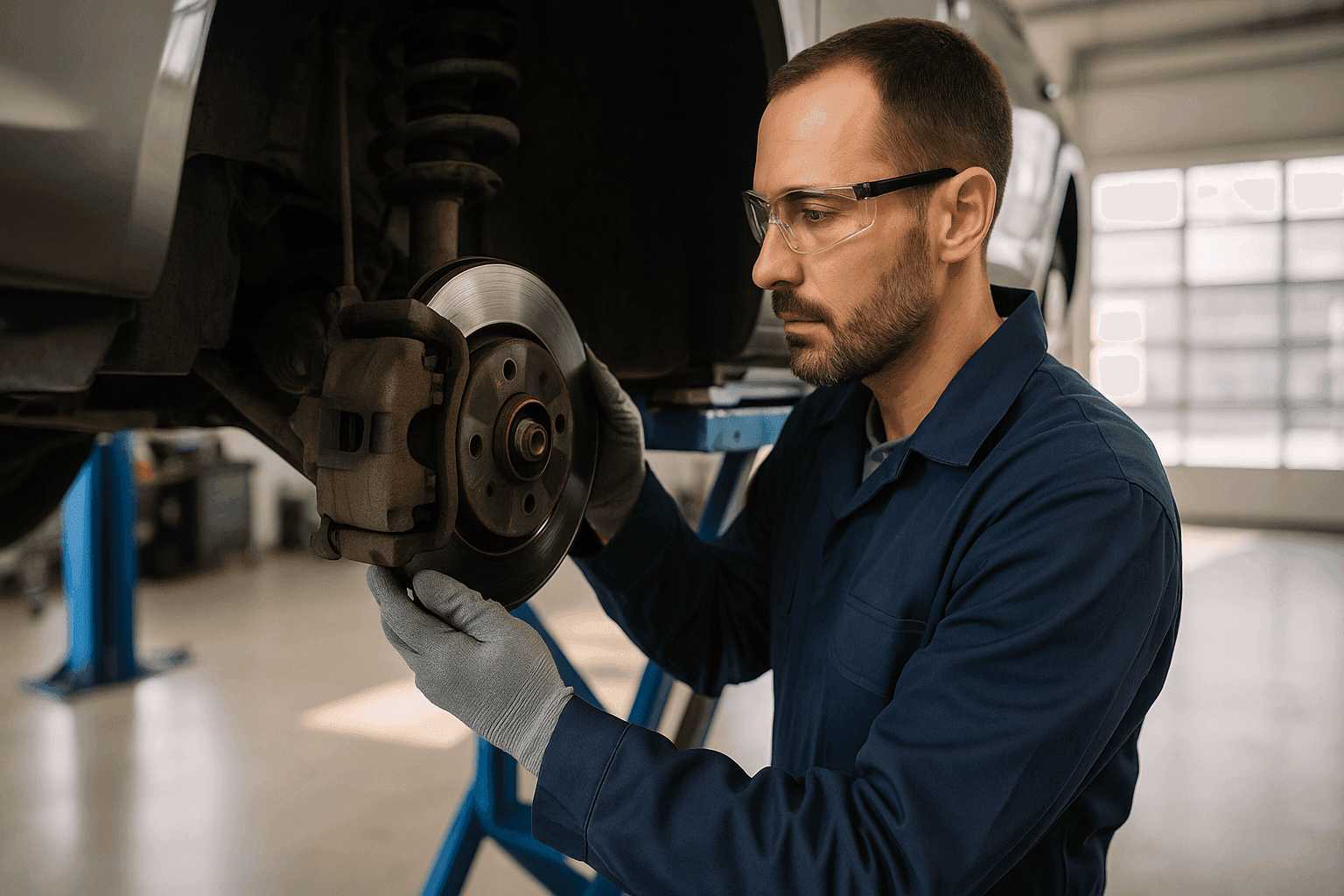
Brakes keep you safe. When they’re not right, you feel it in your bones—maybe it’s that subtle squeal, or a pedal that suddenly feels mushy. At Chris Hunters Auto Repair, we help people just like you—residents and local businesses—catch brake issues before they become big problems.
Ignoring brake warning signs isn’t just risky. It can lead to breakdowns, accidents, or expensive repairs. Let’s walk through the telltale signs, simple checks, and when to call in a certified auto_repair specialist for steering repair near you or complete brake service.
Signs Your Brakes Need Attention 🚨
Your car’s brake system always sends a signal before trouble hits. Here’s what to watch for:
- Squealing or squeaking noises: Like a violin played with too much enthusiasm, this usually means your brake pads are wearing thin.
- Grinding sounds: Hear metal on metal? That’s critical—your pads may be gone, and your rotors could be next.
- Soft or spongy brake pedal: If the pedal sinks too easily, there could be air in your brake lines or a fluid leak.
- Vibration or pulsing when braking: Think of it as your car’s way of waving a red flag—warped rotors or uneven wear could be to blame.
- Dashboard brake warning lights: Don’t ignore that glowing symbol. It’s your car’s way of saying “help!”
Ignoring these can mean longer stopping distances, or worse—a total brake failure.
DIY Brake System Inspection Steps
You don’t need a mechanic’s toolbox to spot the basics. Here’s how to do a safe, simple brake check:
- Park on level ground. Turn off your engine and set the parking brake.
- Check brake fluid: Open your hood and find the brake fluid reservoir. Fluid should be between the “min” and “max” lines. Low fluid could mean a leak or worn pads.
- Inspect brake pads: Peek through your wheel spokes. Pads should be thicker than a pencil. If they’re thin or you see deep grooves, it’s time for a change.
- Look at the rotors: Rotors should be smooth. If you spot scoring, rust spots, or a blue tinge, that’s a warning sign.
- Listen during a slow drive: Turn off the radio. Gently brake and listen for squeals or grinds.
- Feel the pedal: Does it feel soft, or does your car pull to one side? Both can signal deeper issues.
Never put yourself at risk. If you’re unsure about anything you find, professional auto_repair is just a call away.
When to Seek Professional Brake Repair
Some symptoms mean it’s time to call Chris Hunters Auto Repair—stat:
- Grinding noises: Metal-on-metal means immediate attention.
- Brake warning light stays on: Don’t wait. Electrical system issues or hydraulic problems might be the cause.
- Sudden loss of braking power: If your pedal drops to the floor, or braking feels weak, stop driving and call for help.
- Fluid under your car: Brake fluid leaks are dangerous. Look for clear-yellowish puddles under your wheels.
- Steering wheel shake when braking: Warped rotors or suspension issues could be at play.
Certified technicians use advanced diagnostics and quality parts for every repair, whether it’s brake pads, rotors, or steering repair near you. Regular check-ups by professionals are your best defense against brake failure.
Why Certified Service and Quality Parts Matter
A brake system isn’t just nuts and bolts—it’s your safety net. Certified shops like Chris Hunters Auto Repair follow strict industry standards, use high-quality parts, and keep up with ongoing training. The National Highway Traffic Safety Administration (NHTSA) sets guidelines for brake system performance, which reputable shops always meet or exceed.
Shoddy repairs or cheap parts can mean the difference between stopping safely and a close call. Don’t cut corners with your safety.
How Weather Affects Your Brakes
Rain, ice, and heat—all have an impact on how your brakes perform:
- Rain: Wet roads can reduce brake efficiency. Water may cause temporary loss of grip or rust on rotors.
- Ice and snow: Cold weather can stiffen brake lines or cause moisture to freeze, affecting responsiveness.
- Heat: High summer temps, especially after stop-and-go driving, can cause brake fade—where they feel less effective.
Always adjust your driving to match the weather. And get your brakes checked before the seasons change.
Practical Tips for Brake Care
- Have your brakes inspected at least once a year. More often if you drive in heavy traffic or haul loads.
- Don’t ignore noises. Squeaks or squeals mean something’s wearing out.
- Replace brake fluid every 2 years, or as recommended in your owner’s manual.
- Keep an eye on your tires. Uneven wear can affect braking performance and point to suspension or alignment issues.
- Schedule regular fleet maintenance if you own commercial vehicles—extra miles mean extra wear.
Costs & Time Factors
Brake repairs can range from a quick pad swap in under an hour, to a few days if there’s rotor, caliper, or hydraulic system damage. Expect higher costs for severe wear or specialty vehicles. But catching issues early—before grinding or warning lights—usually means a faster, more affordable fix.
When It’s an Emergency
- If your brakes fail: Pump the pedal. Downshift to slow the car. Use your parking brake gently.
- If you hear grinding, lose pedal pressure, or see fluid leaks: Stop driving as soon as it’s safe. Call for 24/7 roadside assistance.
- Don’t risk it: Some problems can’t wait. Immediate attention saves lives.
Frequently Asked Questions
How often should I replace my brake pads?
Most pads last 30,000–70,000 miles depending on driving habits and conditions. Check your owner’s manual for specifics.
Can I drive with a squealing brake?
It’s not recommended. Squealing is usually the first warning sign. Delaying repairs could mean higher costs and less safety.
Why does my steering wheel shake when braking?
Often, it’s caused by warped rotors. But suspension or wheel alignment issues can play a role. Get it checked.
Is it safe to check brakes myself?
Basic inspections (fluid, pad thickness) are safe. For anything more, or if you spot trouble, call a professional.
Local and Seasonal Considerations 🌧️
In our area, weather swings can be rough on your brakes. After heavy rain or snow, rust can form overnight. Summer heat can make stop-and-go traffic brutal on brake pads. If you drive in hilly terrain or on salted winter roads, make brake checks part of your seasonal routine.
Remember: Regular, professional inspections can prevent problems—before the weather (or the road) throws a curveball.
Spot a brake problem? Don’t wait for it to get worse.
Call Chris Hunters Auto Repair now — or reach us anytime at 855-578-2855 .