Brake Repair 101: Warning Signs and What to Do Next
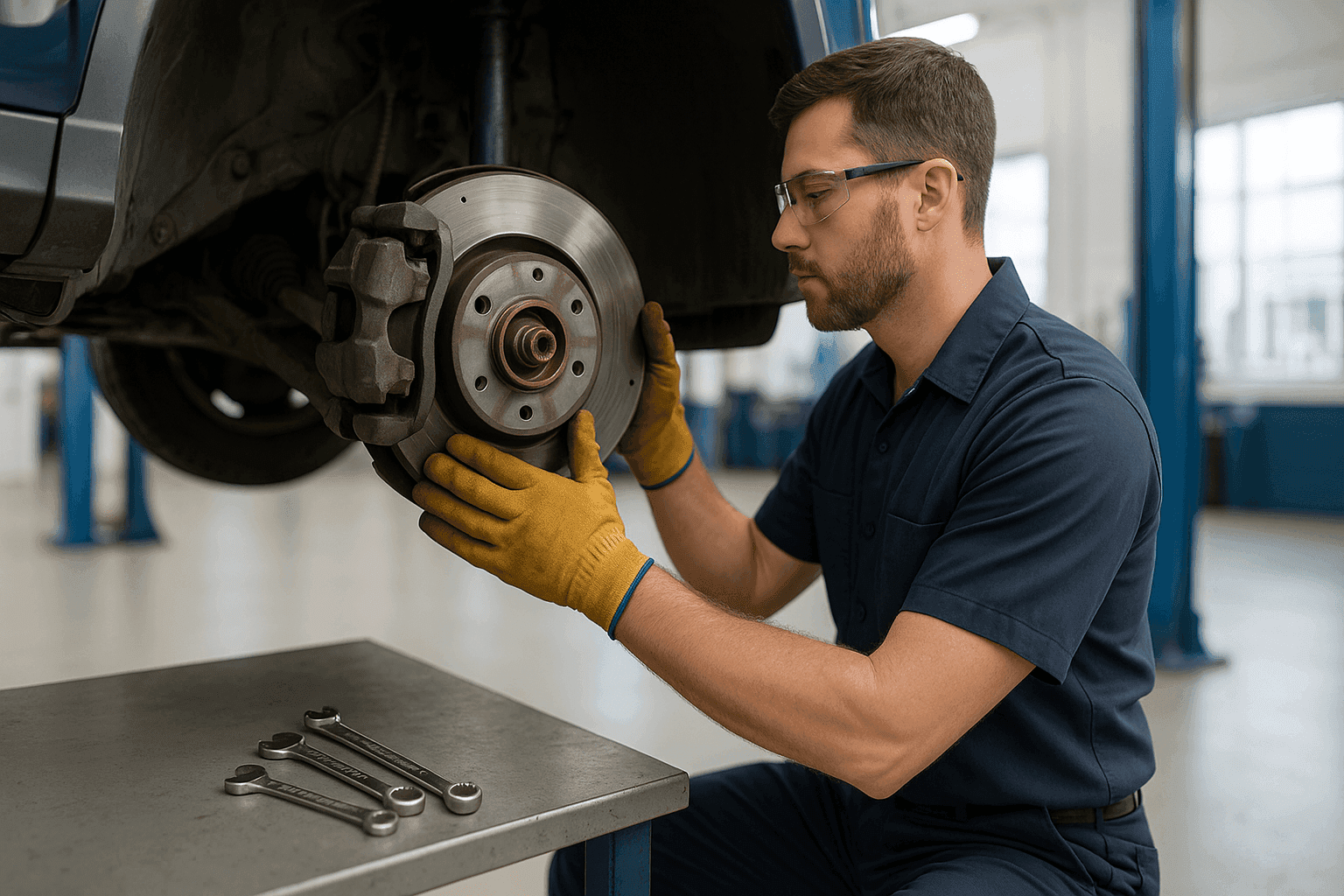
Brakes are your car’s most important safety system. When something feels off, it’s not just an inconvenience—it’s a warning flare demanding attention. Whether you’re a daily commuter or manage a fleet, the health of your brakes shouldn’t be left to chance.
At Chris Hunters Auto Repair, we know brake issues can sneak up quietly. Our team handles everything from routine pads to clutch and Steering Repair near you, and we’ve seen first-hand why catching problems early makes all the difference.
Common Brake Warning Signs 🚦
Most brake problems whisper before they shout. Here’s what to watch—and listen—for:
- Squealing or screeching sounds: Like fingernails on a chalkboard, this usually means your brake pads are wearing thin. Most pads have metal indicators that create this noise as a built-in alert.
- Grinding noise: This sound is more serious. It often means pads are gone and metal is grinding against metal—a recipe for expensive rotor repairs.
- Soft or spongy brake pedal: If your pedal sinks to the floor or feels mushy, air or moisture may be in the brake lines, or you could have a leak.
- Vibrations or pulsations: A shaking steering wheel or pulsing pedal under braking points to warped rotors or uneven pad wear.
- Pulling to one side: When you brake, does your car veer left or right? This could signal a stuck caliper, worn pads, or uneven hydraulic pressure.
- Warning lights: The brake or ABS warning light on your dash isn’t just decorative. If it glows, have your system checked promptly.
Brake issues don’t solve themselves. They get worse—fast.
DIY Checks vs. Professional Diagnosis
You don’t need to be a certified technician to spot the basics. Here’s what you can do, and when it’s time to call in the pros.
DIY Visual Inspection
- Look at your brake pads through the wheel spokes. Less than 1/4 inch thick? They need replacing.
- Check for deep rust grooves or scoring on rotors.
- Peek for fluid leaks around the wheels or under the car.
- Monitor brake fluid level in the reservoir. Low fluid could mean a leak or worn pads.
If you spot any of these, don’t wait. The brake system is not the place to “see how it goes.”
When a Professional Should Step In
- Persistent noises after pad replacement
- Soft pedal or longer stopping distances
- Dashboard warning lights
- Brake fluid leaks
- Unusual smells (burning or chemical odors after braking)
At Chris Hunters Auto Repair, our team uses advanced diagnostic tools, follows manufacturer guidelines, and checks the entire system—pads, rotors, calipers, lines, and electronics. It’s thorough, safe, and gives you peace of mind.
Why Timely Brake Service Matters
Brake problems are like a tiny crack in your phone screen. Ignore it, and soon you’re dealing with a spiderweb of trouble.
- Safety first: Worn brakes mean longer stops—and increased risk for you, your passengers, and everyone on the road.
- Avoid costly repairs: Delaying service can turn a simple pad replacement into new rotors, calipers, or even master cylinder work.
- Protect your investment: Routine brake care helps your car pass emission and safety inspections, keeps fleet vehicles reliable, and protects resale value.
The National Highway Traffic Safety Administration (NHTSA) urges prompt attention to brake warning signs for these reasons.
How to Visually Inspect Brake Pads and Rotors
Here’s a quick driveway check you can do safely:
- Park on a level surface and engage the parking brake.
- Look through the wheel spokes. You should see the brake pad pressed against the rotor.
- Examine pad thickness. Less than 1/4 inch? Time to replace.
- Check rotor surface. Deep scoring, grooves, or blue discoloration mean trouble.
Never crawl under your vehicle without proper support. If you’re unsure, call for a professional inspection.
What Causes Brake Wear?
It’s not just driving style. Here are the usual suspects:
- Stop-and-go traffic: City driving wears pads faster than highway cruising.
- Heavy loads: Hauling or towing increases wear on pads and rotors.
- Driving habits: Riding the brakes or sudden stops accelerate wear.
- Environment: Road salt, rain, and mud corrode brake components.
Even the best pads need replacement every 25,000–70,000 miles, depending on use and quality. Always refer to your vehicle’s owner’s manual for specific intervals.
Risks of Delayed Brake Repair
Ignoring brake issues is like waiting for thunder after you see lightning. The damage is already happening.
- Longer stopping distances: Every foot counts in an emergency.
- Increased repair costs: Worn pads damage rotors, leading to pricier fixes.
- Failed inspections: Unsafe brakes can fail state or fleet safety checks.
- Accidents: The worst-case scenario—injury or worse.
Staying ahead of issues means safer roads for everyone.
Brake Service: DIY Checks vs. Professional Diagnosis
A little knowledge goes a long way, but brakes are complex. DIY checks are helpful, but professional diagnosis is essential—especially for:
- ABS system problems
- Hydraulic leaks
- Electronic brake sensors
- Complex repairs (drums, calipers, master cylinder)
Shops like Chris Hunters Auto Repair use manufacturer-recommended procedures and tools. We check for hidden issues and test for safe operation—no guesswork.
Why Timely Brake Service Matters
Time is not on your side when it comes to brakes.
- Faster, safer stops
- Lower repair bills
- Peace of mind
- Meets legal and insurance requirements
Don’t gamble with safety. Schedule a brake check at the first sign of trouble.
The Quick Brake Safety Checklist
- Brake warning light on? Book a check.
- Hear grinding, squealing, or feel vibrations? Inspect ASAP.
- Pedal feels soft or hard to press? Don’t risk it—get help.
- Fluid puddles under your car? Brake system may be leaking.
- Car pulls to one side when braking? Time for a pro evaluation.
The Professional Brake Repair Process
When you bring your vehicle to Chris Hunters Auto Repair, here’s what you can expect:
- Comprehensive inspection of all brake components.
- On-car measurement of pad thickness and rotor condition.
- Check for leaks and test brake fluid quality.
- ABS and electronic system scan with advanced diagnostic tools.
- Road test to confirm safe operation.
All work follows OEM and industry safety guidelines (refer to SAE International and NHTSA standards).
Preventing Future Brake Problems
A little attention now saves big headaches later. Here’s how:
- Replace brake fluid every 2–3 years or per manufacturer.
- Check pads and rotors at every oil change.
- Avoid riding your brakes—downshift on hills.
- Keep tires properly inflated for even braking wear.
- Wash wheels regularly to remove corrosive road salt.
Fleet vehicles and commercial vans need even more frequent checks due to heavier use.
Costs & Time Factors
Brake repairs range in price based on your vehicle, the extent of wear, and parts used. Here’s what affects cost and timing:
- Pad replacement: Usually 1–2 hours.
- Rotor resurfacing or replacement: Add 1–2 hours.
- Complete system repairs: May require a day, especially if calipers or lines are involved.
Aftermarket or premium parts can alter costs. Always ask for options and an itemized estimate.
When It’s an Emergency
Some brake issues can’t wait:
- The pedal goes to the floor, or you lose pressure.
- Brake warning light flashes red.
- Burning smell and smoke after braking.
- Sudden, severe pulling to one side.
In these cases, call for 24/7 roadside assistance or arrange a tow—do not drive.
FAQ: Brake Repair at a Glance
How often should brakes be inspected?
Most manufacturers recommend a thorough inspection every 12,000 miles or yearly—whichever comes first.
Can I drive with squealing brakes?
Squealing means your pads are thin, but you may have some stopping power left. Don’t wait—get them checked to avoid rotor damage.
What’s the average lifespan for brake pads?
Most last 25,000–70,000 miles, depending on your driving and the quality of the pads. Check your manual for specifics.
Is brake fluid replacement really necessary?
Yes. Old fluid absorbs moisture, which leads to corrosion and reduced stopping power. Change it every 2–3 years or as recommended.
Local and Seasonal Considerations
If you drive in wet, icy, or salty conditions, your brakes face extra challenges:
- Winter roads mean more salt and moisture—wash wheels often.
- Stop-and-go city driving wears pads faster than open highways.
- Fleet vehicles require more frequent checks due to higher mileage and loads.
Regular inspections and seasonal checks keep you ready, whatever the road throws your way.
Your brakes are your first—and last—line of defense. Don’t ignore their warnings. For reliable auto_repair, brake service, and everything from Steering Repair near you to full fleet maintenance, Chris Hunters Auto Repair is here to help.
Call Chris Hunters Auto Repair now — or reach us anytime at 855-578-2855 .