When to Replace Car Belts and Hoses: Prevent Costly Breakdowns
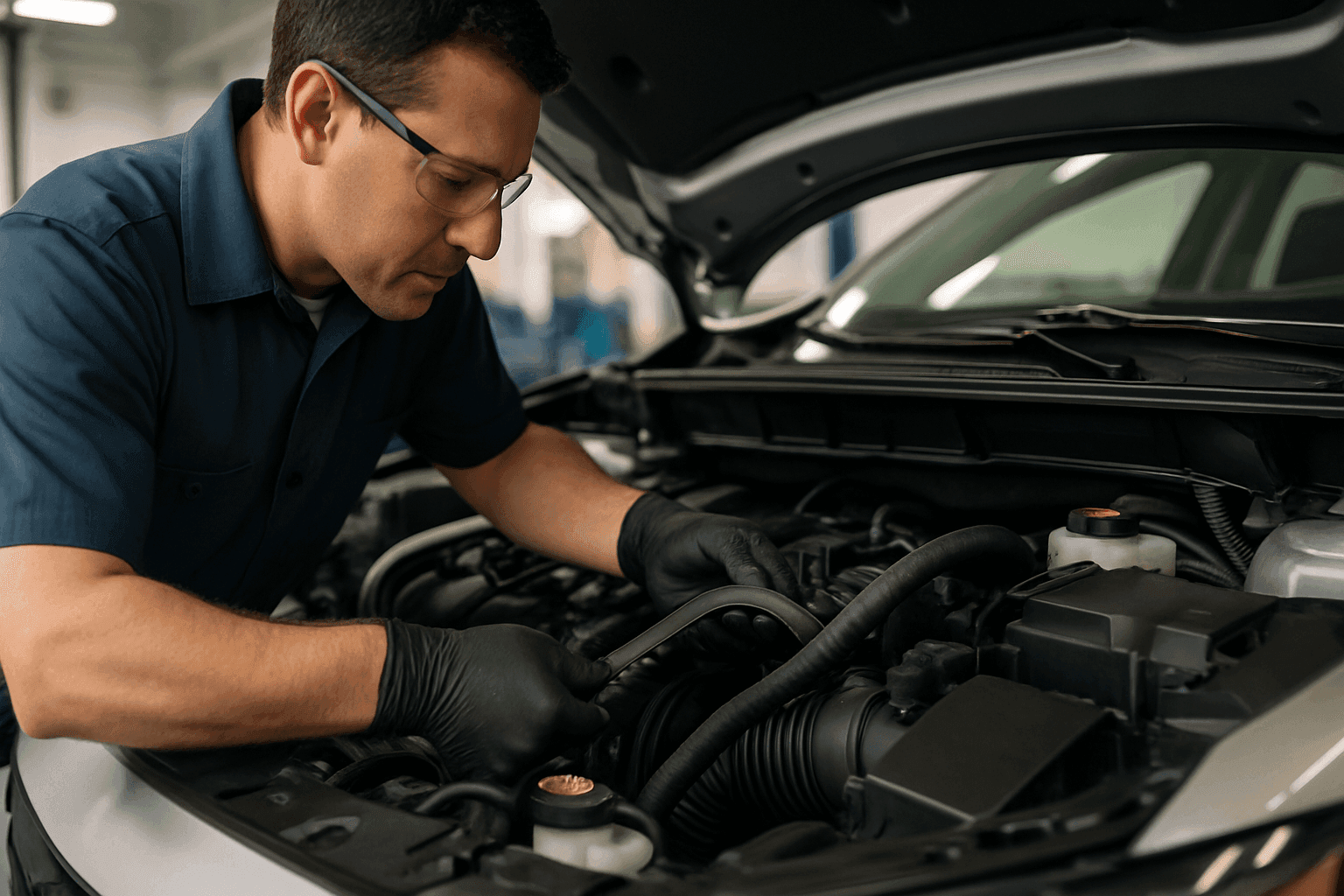
Keeping your car moving isn’t just about gas in the tank or a turn of the key. It’s about the little things under the hood—belts and hoses silently working overtime, holding the whole show together. One small crack or leak can spell disaster on a busy highway or a bitter winter morning.
At Chris Hunters Auto Repair, we know the pain of a sudden breakdown. With years of hands-on experience, we’ve seen how a worn belt or bulging hose can bring even the toughest fleet to a standstill. Let’s help you spot trouble early, stay safe, and keep those wheels turning.
Why Belts and Hoses Matter 🛠️
Belts and hoses are the unsung heroes of your engine bay. Think of them as the lifelines—quietly linking, powering, and protecting every drive.
- Cooling System: Radiator hoses carry coolant between the engine and radiator. Without them, engines overheat fast.
- Power Steering: Drive belts connect the power steering pump, making tight parking lot turns feel effortless.
- Alternator: The serpentine belt drives the alternator, helping keep your battery charged and lights bright—day or night.
- Engine Timing: Timing belts keep the engine’s internal parts moving in perfect harmony. If they snap, major damage follows.
When these parts are neglected, it’s like running a marathon with frayed shoelaces. Sooner or later, something gives.
Signs of Wear and Potential Failure
Your car speaks up before it breaks down. Listen for these warning signs:
- Cracks: Check belts for visible cracking along the ribs or edges.
- Fraying: Loose threads or fuzzy edges are a red flag.
- Swelling: Hoses that look bloated or feel unusually soft are a ticking time bomb.
- Leaks: Coolant or oil around hose connections means trouble.
- Squealing: That shrill sound when you start your car? Usually a slipping belt.
A belt or hose can fail with almost no warning, but these signs give you a fighting chance to act first.
Replacement Intervals and Best Practices
When should you replace belts and hoses? Here’s a roadmap:
- Manufacturer Recommendations: Most automakers suggest replacing belts every 60,000 to 100,000 miles. Hoses should be inspected at least every oil change, and replaced every 4–5 years.
- Seasonal Checks: Extreme cold and sweltering heat both stress rubber parts. Check before summer road trips or winter deep freezes.
- Listen and Look: If you hear squeaks, see leaks, or spot wear, don’t wait.
- Emergency Tip: If a belt snaps on the road, call for professional auto_repair. Temporary fixes rarely last.
Authoritative resources like the National Highway Traffic Safety Administration (NHTSA) and the Car Care Council back up these timelines.
Professional Inspection and Quality Parts
Shortcuts can cost you. At Chris Hunters Auto Repair, every belt and hose replacement means:
- Careful inspection by skilled technicians.
- Use of parts that meet or exceed OEM standards.
- Testing under real-world conditions—before your car leaves our shop.
We don’t just swap out old for new. We look at the big picture—catching related issues while we’re under the hood.
Local and Seasonal Stresses
Driving in our area brings its own set of challenges:
- Extreme Heat: High summer temps can bake belts and hoses, making them brittle.
- Winter Cold: Freezing conditions increase the risk of cracks and coolant leaks.
- Long-Distance Driving: Daily commutes and road trips put extra miles and pressure on these components.
If your work truck or family vehicle clocks serious mileage, don’t gamble. Schedule regular checks, especially before the seasons change.
Practical Tips to Avoid Roadside Breakdowns
- Pop the Hood: Look for leaks, cracks, or bulging hoses each month.
- Listen Up: Unusual engine sounds? Don’t ignore them.
- Mind the Dash: Warning lights—especially the check engine light—should never be dismissed.
- Stay Prepared: Keep the number for 24/7 roadside assistance handy.
Frequently Asked Questions
How do I know if a belt or hose is about to fail?
Watch for visible damage, listen for squeals, and check for leaks under your car. If in doubt, have a pro inspect it.
Is it safe to drive with a worn belt?
No. A snapped belt can cause overheating, loss of steering, or even complete engine failure. Get it checked right away.
Can I replace belts and hoses myself?
Basic hose replacement is possible if you’re handy, but modern engines are crowded. For most drivers, professional auto_repair is safer and more reliable.
How much does replacement cost?
Prices vary by make and model. Time and labor depend on part location. Expect to spend anywhere from an hour to several, depending on the job’s complexity.
The Bottom Line
Belts and hoses may be out of sight, but they’re never out of mind at Chris Hunters Auto Repair. A quick inspection today can save you from a costly breakdown tomorrow. Whether you need Steering Repair near you, a routine check-up, or urgent help, we’re here for both residential and commercial drivers.
Call Chris Hunters Auto Repair now — or reach us anytime at 855-578-2855 .