Emergency Roadside Assistance: What to Expect and How to Prepare
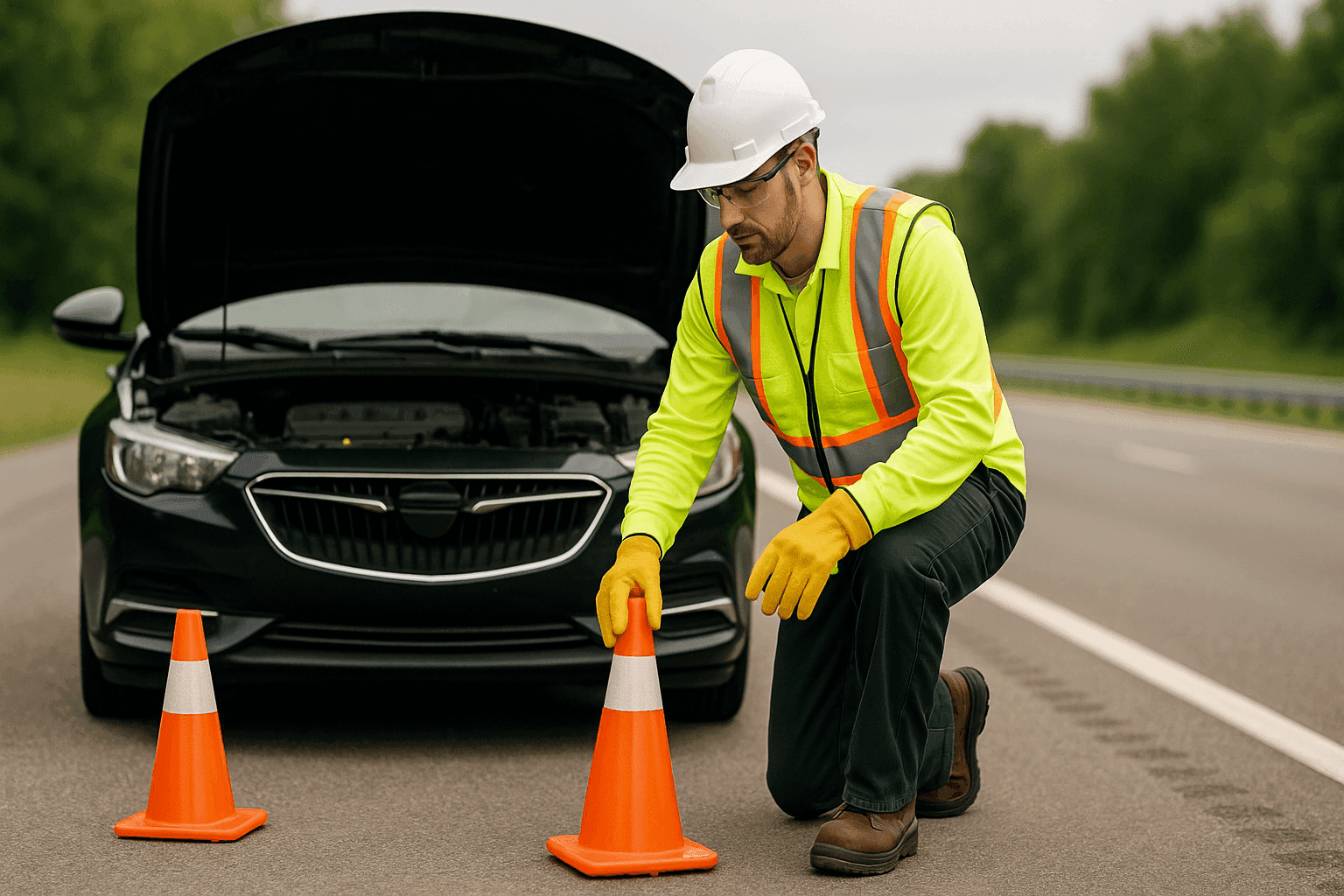
Ever been stranded on the side of the road, heart pounding, watching traffic blur by? You’re not alone. At Chris Hunters Auto Repair, we know breakdowns can strike at the worst times—late at night, in a downpour, or miles from home. Emergencies don’t wait for business hours, which is why preparation and knowing what to expect is as essential as a spare tire.
Whether you drive solo or manage a fleet, a roadside emergency can rattle nerves and disrupt your day. Let’s walk through what really happens when you call for help, how to keep yourself and your passengers safe, and the simple steps you can take to handle the unexpected with confidence.
When to Call for Roadside Assistance
Picture this: you’re running late, and suddenly, your car sputters to a stop. Or you hear that dreaded “thump-thump” of a flat tire. Roadside emergencies come in all shapes and sizes, but here are the most common reasons people reach for help:
- Flat tire: It always feels like it happens when you’re least prepared.
- Dead battery: You turn the key, and nothing but silence.
- Locked out: Your keys are inside. You’re outside. Not a fun puzzle.
- Engine failure: Smoke, strange noises, or sudden loss of power mean it’s time to pull over.
- Overheating: Steam from under the hood is a clear sign—stop the car.
- Out of fuel: It happens to the best of us, especially on long stretches.
If you’re facing any of these, don’t panic. Roadside assistance is designed for exactly these moments. At Chris Hunters Auto Repair, our 24/7 team responds to calls day and night, rain or shine. We’re equipped for everything from Steering Repair near you to urgent battery jumps and lockouts.
Steps to Stay Safe During a Breakdown 🚨
Your safety is priority number one. Here’s a step-by-step checklist to help you stay calm and protected until help arrives:
- Pull over safely: Use your turn signals and steer to the right shoulder or a wide, visible spot away from moving traffic. If on a highway, try to exit completely if possible.
- Turn on hazard lights: Make your vehicle easy to spot, especially at night or in bad weather.
- Stay inside the car: Unless there’s immediate danger (like smoke or fire), it’s generally safest to remain inside with your seatbelt fastened.
- Call for help: Use your mobile phone to contact roadside assistance. Note your exact location. Landmarks, exit numbers, and mile markers are critical details.
- Communicate clearly: Let the dispatcher know your situation and any special needs (children, pets, medical concerns).
- Keep doors locked: If approached by strangers, crack the window just enough to speak. Wait for uniformed roadside professionals.
Remember, according to the National Highway Traffic Safety Administration (NHTSA), remaining in your vehicle on busy roads drastically reduces your risk of injury.
Essential Items for Your Roadside Emergency Kit
Think of your emergency kit as your travel insurance policy. It’s the safety net you hope you’ll never need but are grateful for when trouble strikes. Here’s what every driver should keep in their trunk:
- Jumper cables or portable battery jump starter
- Reflective warning triangles or flares
- Flashlight (with extra batteries)
- Basic tool kit (screwdrivers, pliers, adjustable wrench)
- Tire pressure gauge and sealant
- Blanket and extra warm clothing (especially in winter)
- Bottled water and non-perishable snacks
- First aid kit
- Phone charger (car adapter or battery pack)
- Ice scraper and snow brush (cold climates)
- Rain poncho and gloves
- List of emergency contacts and roadside assistance numbers
Seasonal tip: Rotate supplies every six months. In summer, add sunscreen and extra water; in winter, pack sand or kitty litter for traction and hand warmers.
DIY vs. Call a Pro
Some roadside hiccups can be handled with a little know-how and the right tools. For instance, changing a tire or jump-starting a battery might be within your skill set. But remember, modern vehicles—especially those with advanced electrical or drivetrain systems—often require specialized knowledge.
When should you call a pro?
- You’re on a busy highway or in poor visibility.
- You’re unsure what’s wrong.
- The problem involves steering, brakes, or anything that could affect safe driving.
- There’s fuel, oil, or coolant leaking.
- You don’t feel safe or confident.
Chris Hunters Auto Repair’s roadside technicians are trained for everything from Brake Repair to advanced Engine Diagnostics. Calling in help isn’t just about convenience—it’s about keeping you safe and preventing further damage.
What Pros Do On Arrival
When our technician arrives on scene, here’s what you can expect:
- Safety first: The area is secured with cones or warning triangles.
- Assessment: We’ll ask for a quick rundown of what happened.
- Diagnosis: Using diagnostic tools, we check for obvious issues—battery, fuel, electrical, or tire problems.
- On-the-spot fix or tow: Many problems (like battery jumps, flat tires, or minor fluid top-offs) can be handled roadside. If not, we arrange safe towing to our shop for full auto_repair.
- Clear communication: You’ll always know what’s happening next—no surprises.
Our team brings experience, the right tools, and a calm, professional approach. We treat every call—whether it’s a routine Tire Service or a more complex Transmission Repair—with urgency and respect.
Prevention & Maintenance
The old saying rings true: “An ounce of prevention is worth a pound of cure.” Regular maintenance cuts your risk of roadside trouble dramatically. Here’s how:
- Check tire pressure and tread monthly. Underinflated or bald tires are a common cause of blowouts.
- Keep up with oil changes and fluid flushes. Prevent engine and transmission failures.
- Test your battery before each season. Cold snaps and heatwaves strain older batteries.
- Address warning lights promptly. Don’t ignore the Check Engine Light. Early diagnostics can keep small problems from becoming emergencies.
- Inspect belts and hoses. Cracks or leaks spell trouble down the road.
For fleet operators, scheduled Fleet Maintenance Services from Chris Hunters Auto Repair minimize downtime and keep your vehicles road-ready.
Costs & Time Factors
No one likes surprise bills, especially during a stressful situation. Here’s what to keep in mind about roadside assistance:
- Response time: In busy cities, help may arrive in 30–45 minutes. Rural areas can take longer, especially in storms or holidays.
- Service scope: Simple services (like jump-starts or lockouts) are usually quicker—15 to 30 minutes. More complex issues or tows can take longer.
- Cost factors: Prices can vary depending on time of day, location, and type of service needed. If you have roadside coverage through insurance or an auto club, check your policy for details.
Remember, sometimes the safest option is to let a pro handle it—even if it costs more than a quick DIY fix.
When It’s an Emergency
Certain situations require urgent action. If you experience any of the following, call for immediate help and, if necessary, 911:
- Smoke or flames from the engine compartment
- Sudden loss of steering or brakes
- Accident with injuries or hazardous material spills
- Breakdown in a dangerous location (curve, hill, or dark stretch)
Don’t try to “tough it out” or move a disabled car by yourself in unsafe conditions. Safety comes first—always.
FAQ: Roadside Assistance Realities
Q: Will roadside help fix my car on the spot?
A: Many issues can be resolved roadside—like flat tires, dead batteries, or minor electrical problems. If it’s more serious, we’ll tow your car for safe, professional auto_repair.
Q: How do I describe my location if there are no signs?
A: Use your smartphone’s GPS coordinates if possible. Look for mile markers, nearby buildings, or even unique landmarks (billboards, bridges).
Q: What if I don’t have a phone signal?
A: Walk to the nearest safe area (gas station, rest stop) if you can. Wave down a passing driver only if it’s safe. In rural areas, staying with your vehicle is usually best.
Q: Do I need to stay with my car until help arrives?
A: Yes, unless you’re in immediate danger. Stay visible and secure inside your vehicle.
Local and Seasonal Considerations 🌦️
Breakdowns don’t care if you’re in the city, suburbs, or a remote country road. But your response may need to change:
- Urban: Expect faster response times but heavier traffic. Stay alert for pedestrians and cyclists.
- Suburban: Watch for limited shoulder space on winding roads.
- Rural: Cell coverage may be weak. Pack extra supplies and let someone know your route.
- Holiday travel: Delays are common. Plan for extra time, especially during peak seasons.
- Storms: Rain, snow, and ice increase risks. Carry chains in winter, and never drive through flooded roads.
Check weather alerts before long trips. The Federal Highway Administration recommends keeping your gas tank at least half-full in winter to avoid fuel line freeze.
Emergencies on the road are never convenient, but with smart preparation and the right support, you can handle them with calm and confidence. Chris Hunters Auto Repair is here—day or night, rain or shine—to get you back on the road safely.
Call Chris Hunters Auto Repair now — or reach us anytime at 855-578-2855 .