Essential Car Maintenance Checklist for Homeowners and Small Business Owners
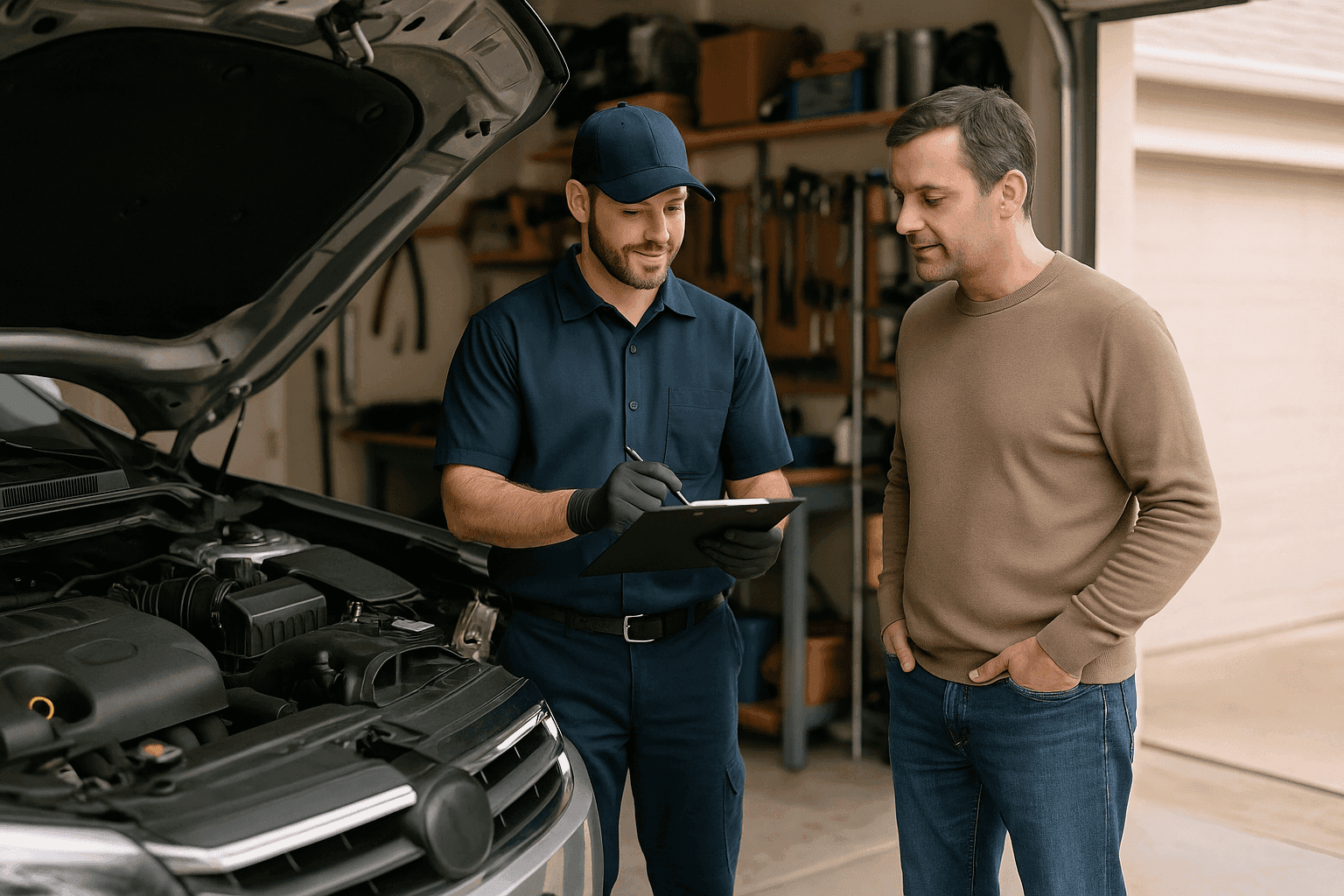
Every morning, you count on your car to start, run smoothly, and get you where you need to go. Whether you’re a homeowner juggling family schedules or a small business owner with a delivery van, a breakdown can throw your entire day into chaos. No one wants to be stranded on the roadside, especially when it could have been avoided.
At Chris Hunters Auto Repair, we see firsthand how regular maintenance prevents headaches—and costly emergency auto_repair. Our team has put together this essential checklist, packed with practical advice and real-world experience, so you can keep your vehicle in top shape all year round.
Why Maintenance Matters: The Real-World Scenario
Think of your car like a trusted partner. Ignore its needs, and it’ll let you down—often at the worst possible moment. The truth is, most major repairs start as small, fixable issues. A squeaky brake, a slow crank, a warning light. Left unchecked, these little hints can snowball into big problems, leaving you stranded and stressed.
For homeowners, a car breakdown can mean missed appointments or late school pickups. For small business owners, it’s lost revenue, delayed deliveries, and unhappy customers. Regular maintenance is your best insurance against surprise breakdowns and expensive emergency auto_repair.
Quick Safety Checklist 🚦
Before you hit the road, run through this simple checklist. It takes just a few minutes and can save you hours of frustration:
- Check oil level and color (should be amber, not dark or gritty)
- Inspect tires for proper inflation and tread wear
- Test headlights, brake lights, and turn signals
- Listen for unusual noises when starting or driving
- Look for leaks under the car—oil, coolant, or transmission fluid
- Check wiper blades for streaks or cracks
- Make sure the battery terminals are clean and free of corrosion
A quick walk-around can catch problems before they catch you off guard.
DIY vs. Call a Pro
Some tasks are as easy as watering a houseplant. Others require the right tools—and a trained eye.
DIY-Friendly Tasks:
- Checking and topping off fluids (oil, washer fluid, coolant)
- Replacing wiper blades
- Inspecting tire pressure and adding air
- Changing air filters
Call a Pro For:
- Brake inspections and repairs
- Engine diagnostics (especially if the check engine light is on)
- Transmission issues
- Suspension or steering problems
- Fluid flushes (brake, transmission, power steering)
- AC or electrical system repairs
- Wheel alignment
If something feels off or you hear a new noise, don’t wait. Early intervention is almost always less expensive than a full-blown emergency auto_repair.
What Pros Do On Arrival
When you bring your vehicle to Chris Hunters Auto Repair, our technicians follow a thorough process. Here’s what you can expect:
- Initial Assessment: We listen to your concerns and perform a visual inspection.
- Diagnostics: Using advanced tools, we scan for error codes and system alerts.
- Test Drives: Sometimes, a quick drive reveals issues that aren’t obvious in the shop.
- Safety Checks: We inspect brakes, tires, lights, and suspension for hidden problems.
- Transparent Reporting: We’ll explain what we find in plain language, prioritize repairs, and answer your questions.
Our goal is to get you back on the road safely and quickly—without surprises.
Prevention & Maintenance: Your Seasonal Checklist
A little effort now saves a lot of trouble later. Here’s a breakdown by season so you can stay ahead of the weather and the unexpected.
Spring
- Inspect brakes after winter roads
- Check tire tread and rotate if needed
- Test battery health (cold weather is tough on batteries)
- Replace wiper blades
- Top off all fluids
Summer
- Inspect and recharge AC system
- Check coolant level and radiator for leaks
- Inspect belts and hoses for cracks
- Test tire pressure (heat expands air)
Fall
- Check heater operation
- Inspect lights (shorter days ahead)
- Check battery (prepare for cold starts)
- Inspect exhaust system for rust
Winter
- Test antifreeze and coolant strength
- Keep emergency kit in the car (jumper cables, blanket, flashlight)
- Check tire tread and consider winter tires
- Inspect brakes and battery
Tip: Mark your calendar or set reminders in your phone for seasonal checkups.
Costs & Time Factors
Maintenance doesn’t have to break the bank. Many tasks are quick and affordable, especially compared to the cost of major repairs or emergency auto_repair.
- Oil changes: 20–30 minutes
- Brake inspections: 30–45 minutes
- Battery checks: 10–15 minutes
- Tire rotations: 20–30 minutes
- Engine diagnostics: 30–60 minutes
Delaying maintenance can lead to higher costs down the road. For example, ignoring a worn brake pad can damage the rotor, doubling or tripling repair time and cost.
When It’s an Emergency
Sometimes, things go sideways—fast. Here’s when you should call for emergency auto_repair or roadside assistance right away:
- Engine overheats (steam or high temp gauge)
- Brake pedal feels soft or spongy
- Car won’t start, even after a jump
- Loud grinding or knocking noises
- Dashboard warning lights flashing
- Sudden loss of power steering
Don’t risk it. Pull over safely and call for help. Your safety comes first.
Frequently Asked Questions
How often should I get an oil change?
Most vehicles need an oil change every 3,000 to 5,000 miles, but always check your owner’s manual. Newer engines and synthetic oils may stretch this interval, but regular checks are still key.
Do I really need to rotate my tires?
Yes! Rotating your tires every 6,000 to 8,000 miles ensures even wear and longer tire life. It also helps maintain traction and handling.
What does the check engine light mean?
It could be something minor, like a loose gas cap, or something serious, like engine misfire. Don’t ignore it. Get a diagnostic scan to pinpoint the cause.
Can I drive with a small fluid leak?
It’s risky. Even a small leak can lead to major problems if ignored. Have it checked as soon as possible to avoid breakdowns or expensive emergency auto_repair.
Special Considerations for Homeowners & Small Business Owners 🚗
If you rely on your car for daily commutes, family errands, or business deliveries, downtime isn’t just inconvenient—it’s costly. Keep a maintenance log in your glove box or use your phone to track service dates and repairs. Schedule regular checkups, especially before busy seasons or long trips.
For business owners with multiple vehicles, consider fleet maintenance services. Preventive care keeps your team moving and your customers happy.
Tip: Always keep emergency contact numbers handy—including your trusted auto repair shop and roadside assistance.
Taking care of your car isn’t just about avoiding breakdowns—it’s about peace of mind. With a little planning and the right support, your vehicle will stay reliable, safe, and ready for whatever the road brings.
Call Chris Hunters Auto Repair now — or reach us anytime at 855-578-2855 .