How to Prepare Your Car for Extreme Weather: Maintenance Checklist
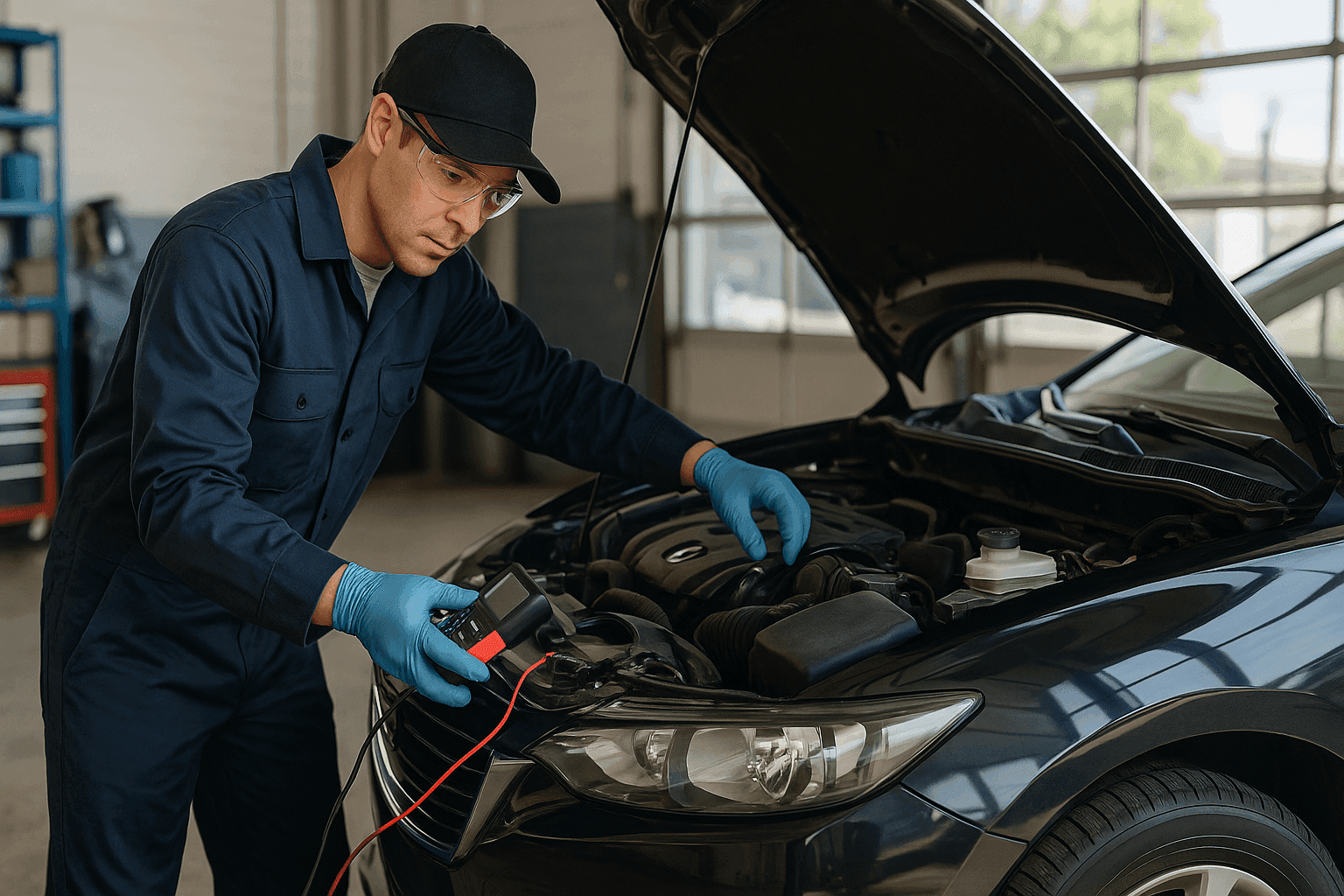
Every driver knows the feeling. The first cold snap or sudden heat wave rolls in, and your mind races—Is my car ready for this? At Chris Hunters Auto Repair, we see the effects of extreme weather up close. Each season brings its own surprises, from battery failures in icy driveways to overheated engines in blistering sun.
Being prepared isn’t just about avoiding costly repairs—it’s about keeping your family, your employees, or your fleet safe no matter what the weather brings. Here’s a practical, easy-to-follow checklist to help you get ahead of the next forecast curveball.
Preparing for Winter ❄️
Winter turns commutes into obstacle courses. Ice, snow, and frigid temps push every part of your vehicle to the limit. Here’s how to make sure your car doesn’t leave you stranded.
Battery Testing
Cold drains batteries like a leaky faucet. If your car’s battery is older than three years, get it tested. Weak batteries are the number one reason for winter breakdowns, according to AAA and the National Highway Traffic Safety Administration (NHTSA).
- Check for corrosion on terminals.
- Listen for slow cranking on startup.
- Consider a professional battery replacement if voltage drops below 12.4V.
Tire Checks
Proper traction is everything when roads get slick.
- Switch to winter tires if you live in ice-prone areas.
- Check tread depth (minimum 4/32” for snowy roads).
- Monitor tire pressure—cold air lowers PSI, and underinflated tires lose grip.
Antifreeze & Cooling System
A frozen engine can mean thousands in repairs. Make sure your coolant is up to the task.
- Test antifreeze with a hydrometer.
- Check hoses for cracks or leaks.
- Top off with a 50/50 mix of antifreeze and water, as recommended by your vehicle’s manual.
Wipers & Washer Fluid
Snow and slush can blind you in seconds.
- Install winter wiper blades.
- Use freeze-resistant washer fluid.
- Replace blades every six months—no exceptions.
Emergency Supplies
A sudden storm can turn a 10-minute drive into an overnight ordeal.
- Keep a blanket, gloves, and hat in the trunk.
- Pack a flashlight, non-perishable snacks, and water.
- Don’t forget an ice scraper and small shovel.
Summer and Storm Preparation ☀️
Summer may look easy, but heat waves and storms test your car in different ways. Engines overheat, ACs fail, and tires can burst on hot pavement.
Cooling System Check
An overheated engine can leave you stranded in minutes.
- Inspect radiator and hoses for leaks.
- Flush old coolant before the first heat wave.
- Make sure the radiator cap holds pressure.
Air Conditioning
No one wants to bake in bumper-to-bumper traffic.
- Run the AC and listen for unusual noises.
- Check for musty smells—this could mean mold or a clogged filter.
- Low cooling? Schedule an AC repair or recharge.
Belts and Hoses
Heat causes rubber to crack and snap.
- Look for fraying or shiny spots on belts.
- Squeeze hoses; replace if they feel brittle or spongy.
Tire Pressure
Hot pavement increases tire blowout risk.
- Check tires when cold—heat raises pressure as you drive.
- Rotate tires for even wear.
Fluid Top-Offs
Engines work harder in summer. Make sure they have what they need.
- Check oil, brake, power steering, and transmission fluids.
- Top off windshield washer fluid.
- Watch for leaks—small drips can become big trouble in the heat.
Year-Round Safety Essentials 🚗
No matter the season, some car care never goes out of style. Staying ready means building habits that keep you safe every day.
Regular Inspections
Routine checks catch small problems before they explode into big ones.
- Schedule regular auto_repair inspections—especially before a road trip.
- Ask about Steering Repair near you if steering feels loose or wobbly.
- Don’t ignore the check engine light—a quick diagnostic can prevent breakdowns.
Emergency Kit Updates
Keep your kit fresh and relevant.
- Replace expired snacks and batteries twice a year.
- Add seasonal gear: sunscreen in summer, hand warmers in winter.
- Include a tire inflator and first aid kit.
Seasonal Best Practices
Adjust your habits with the forecast.
- In winter, warm up your car for a minute before driving.
- In summer, park in the shade when possible.
- For both extremes, keep your gas tank at least half full to prevent fuel line freeze or vapor lock.
Certified Expertise & Pre-Season Inspections
At Chris Hunters Auto Repair, our technicians stay up-to-date on the latest safety protocols and manufacturer guidelines. We use OEM-quality parts for every auto_repair, from Brake Repair to Transmission Repair, and our 24/7 Roadside Assistance is always ready when you need it most. Pre-season inspections are your best insurance against surprise breakdowns—think of them as a check-up for your second largest investment.
Local and Seasonal Considerations
Whether you’re facing ice storms in the north or heatwaves in the south, extreme weather is a nationwide challenge. In some regions, you may need to focus on Emission Testing and Repair due to air quality alerts. In others, the focus shifts to Cooling System Repair and Battery Replacement because of relentless sun. If your business relies on Fleet Maintenance Services, addressing these issues early can save thousands in lost productivity.
Practical Tips for Every Driver
- Listen to your car—unusual noises, smells, or warning lights are your first clue.
- Check tire tread with a quarter; Washington’s profile should be covered.
- Carry a paper copy of emergency contacts in case your phone dies.
- Don’t delay on small repairs. What’s minor today could become major in a storm.
Frequently Asked Questions
What’s the most important thing to check before winter?
Start with your battery and tires. Cold weather exposes their weaknesses fast.
How often should I get a pre-season inspection?
At least twice a year—once before winter, once before summer. More often if you drive long distances or manage a fleet.
Can I do these checks myself?
Some, yes—like topping off fluids or checking tire pressure. For electrical system repair or engine diagnostics, it’s best to call a pro.
What if my check engine light comes on during a storm?
Pull over safely, turn the car off for a minute, then restart. If the light stays on or flashes, seek professional help as soon as possible.
When to Call the Pros
There’s no shame in calling for backup. If you smell burning, see smoke, or your steering feels off, get help right away. Chris Hunters Auto Repair offers Steering Repair, Brake Repair, Electrical System Repair, and more—plus 24/7 Roadside Assistance for those moments you can’t handle alone.
Final Thoughts
Extreme weather can turn even a short trip into a challenge. With regular maintenance, seasonal checklists, and a little planning, you can keep your car (and everyone inside) safe year-round.
Call Chris Hunters Auto Repair now — or reach us anytime at 855-578-2855 .